
Softwashing Worcester, Worcestershire
We are a Worcester based Softwashing & Biocidal treatments company with over 20 years of experience in the industry
Professional Softwashing Services In Worcester & Worcestershire
We are a Worcester based Softwashing & Biocidal treatments company with over 20 years of experience in the industry
At Top2Bottom Cleaning, we provide professional softwashing and biocidal treatment services for residential and commercial exterior surfaces throughout Worcester and the wider Worcestershire area. Our softwashing process is designed to safely remove algae, moss, lichen, mould and organic staining from exterior hard surfaces without the aggressive force associated with traditional pressure washing.
Softwashing is an effective solution for restoring the appearance of patios, driveways, block paving, decking and other outdoor surfaces while also helping to prevent rapid organic regrowth. Using specialist biocidal cleaning treatments, we can target the root cause of staining and contamination, delivering longer-lasting results and improved kerb appeal for your property.
Whether you are dealing with slippery patios, green algae staining, moss-covered paving or weathered timber decking, our Worcester softwashing specialists can provide a safe and effective cleaning solution tailored to your exterior surfaces.
Request a Callback
We need a few contact details from you so that we can get back to you.

What Is Softwashing?
Softwashing is a low-pressure exterior cleaning method that uses specially formulated cleaning agents and biocidal treatments to remove organic growth and surface contamination. Unlike high-pressure cleaning methods that rely heavily on water force, softwashing focuses on treating and killing biological growth at its source.
This approach is particularly effective for surfaces affected by:
- Algae
- Moss
- Lichen
- Mould
- Mildew
- Bacteria
- Organic staining
Softwashing is widely used on many types of exterior hard surfaces because it provides a deeper clean while reducing the risk of surface damage from excessive pressure.
For many surfaces around homes and commercial properties in Worcester and Worcestershire, softwashing can be a safer and more suitable long-term maintenance solution.
What Are Biocidal Treatments?
Biocidal treatments are specialist cleaning solutions designed to eliminate biological growth and inhibit future regrowth. After the surface has been cleaned and prepared, the treatment is applied to target spores, algae roots and microscopic organic matter that may remain embedded within the surface.
This process helps:
- Reduce future algae growth
- Slow moss regrowth
- Improve surface appearance
- Extend cleaning results
- Improve safety on slippery surfaces
- Maintain exterior hard surfaces for longer
Biocidal softwashing treatments are particularly beneficial for patios, block paving and decking where moisture and shaded conditions can encourage recurring algae and moss growth.
Softwashing For Patios In Worcester
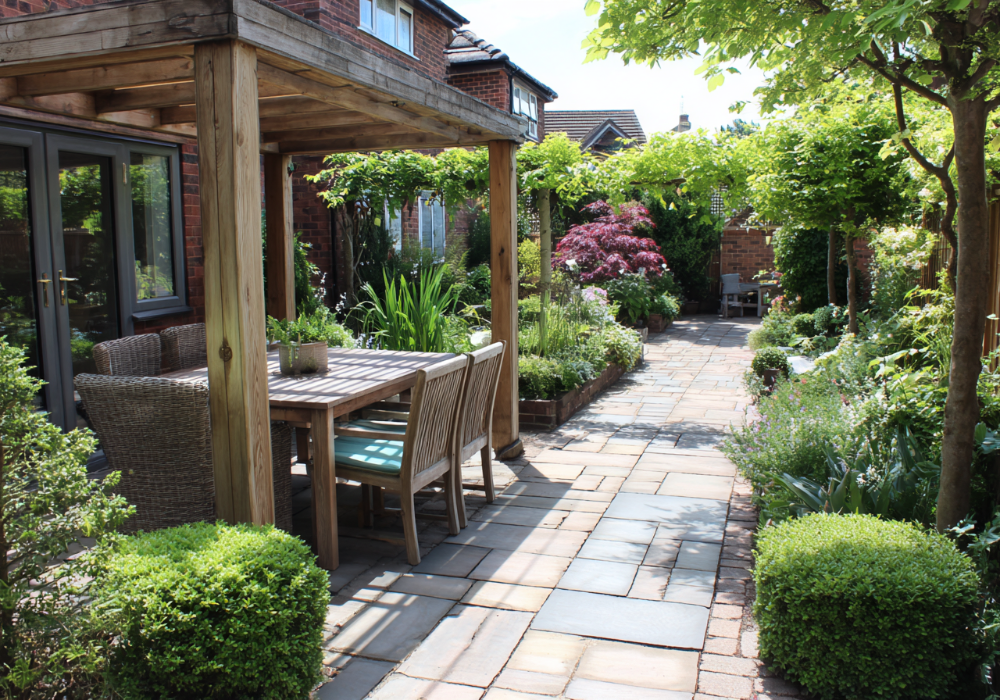
Patios are constantly exposed to the British weather, making them highly vulnerable to algae, moss, black spot staining and organic discolouration. Over time, this can leave patio slabs looking tired, slippery and neglected.
Our patio softwashing service in Worcester safely removes surface contamination while helping to restore the natural appearance of the paving. We use professional biocidal cleaning treatments to tackle organic growth at its source rather than simply temporarily washing the surface.
We can softwash many types of patio surfaces, including:
- Sandstone patios
- Limestone patios
- Porcelain paving
- Concrete slabs
- Natural stone patios
- Garden paving
- Decorative paving
Softwashing can be particularly beneficial for delicate paving materials where excessive pressure may risk surface damage or joint erosion.
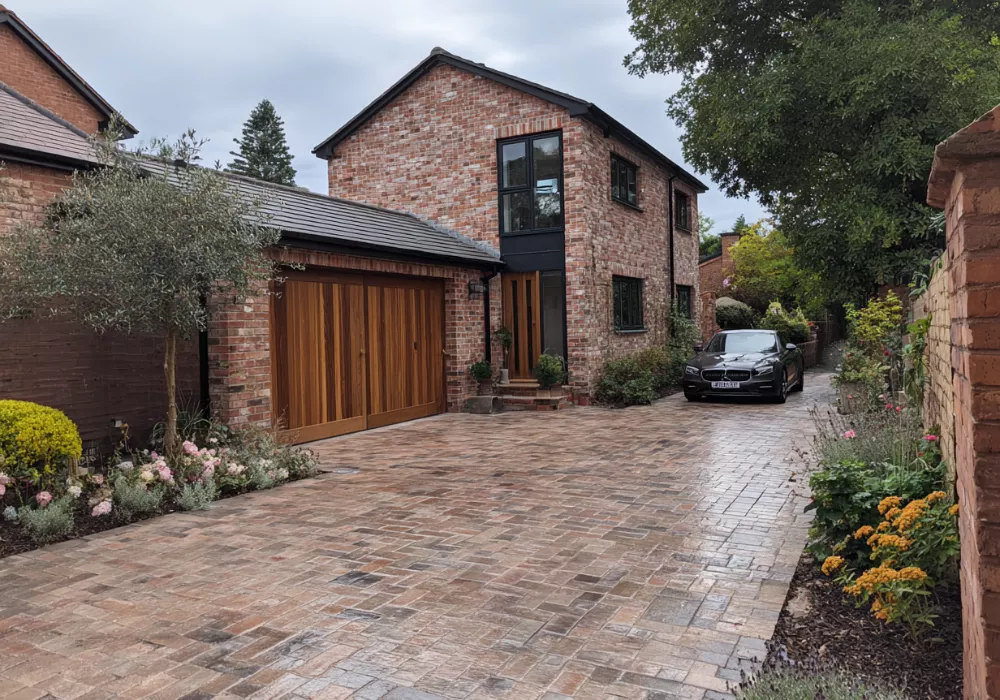
Driveway Softwashing & Biocidal Treatments
Driveways are one of the first things people notice about a property. Moss, algae and staining can quickly affect the overall appearance and kerb appeal of your home or business.
Our Worcester driveway softwashing services are designed to remove organic contamination from:
- Block paving driveways
- Resin-bound surfaces
- Tarmac driveways
- Concrete driveways
- Pattern-imprinted concrete
- Stone driveways
Biocidal driveway treatments help slow the return of moss and algae, keeping the surface cleaner for longer. This can also improve safety by reducing slippery areas caused by organic growth.
Block Paving Softwashing in Worcester
Block paving is particularly prone to moss, algae and weed growth due to the joints between the blocks retaining moisture and organic debris.
Our block paving softwashing process helps:
- Remove green algae staining
- Eliminate moss growth
- Improve overall appearance
- Reduce slippery surfaces
- Prepare paving for re-sanding if required
Biocidal treatments are highly effective for block paving because they continue working after application, helping to reduce future organic regrowth across the surface.
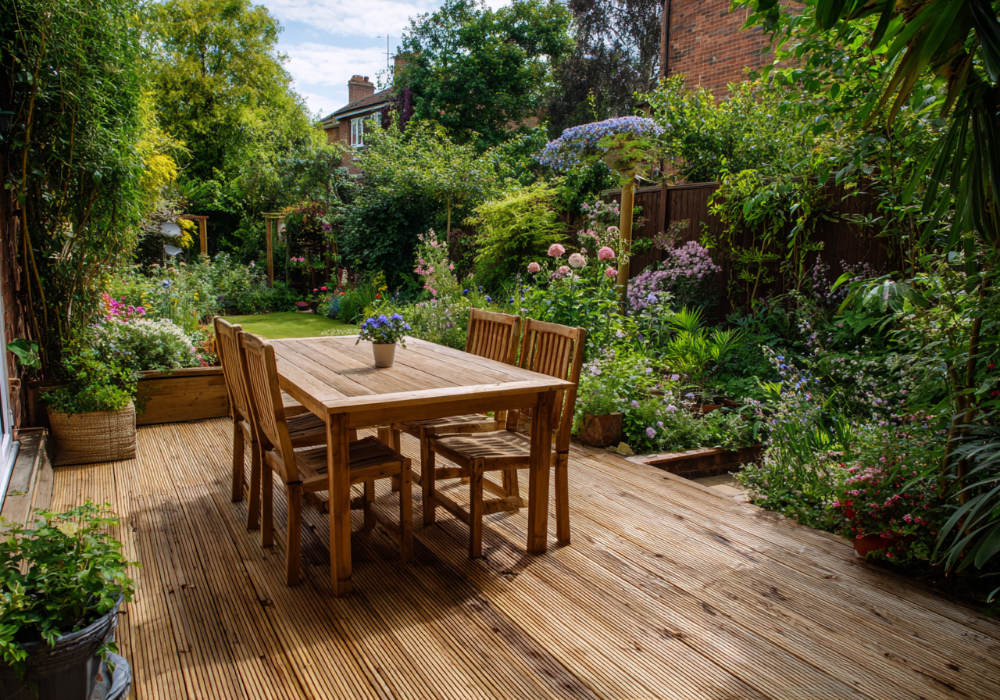
Decking & Timber Softwashing Services
Wooden decking and exterior timber surfaces can become slippery and discoloured due to algae, mildew and moisture exposure. Aggressive pressure washing can sometimes damage timber fibres or leave surfaces rough and splintered.
Softwashing provides a gentler cleaning approach for:
- Timber decking
- Wooden walkways
- Garden seating areas
- Timber fencing
- Pergolas
- Outdoor timber structures
Using specialist biocidal cleaning solutions allows us to clean exterior timber safely while helping to preserve the condition and appearance of the wood.
Softwashing FAQs
Our Softwashing FAQs below answer some of the most common questions we receive about biocidal treatments, exterior surface cleaning and softwashing services in Worcester and across Worcestershire. If you would like further advice about a specific surface or require a tailored quotation for your property, Top2Bottom Cleaning will be happy to help.
What Surfaces Can Be Softwashed?
Softwashing can be used on a wide range of exterior hard surfaces, making it an effective cleaning solution for both residential and commercial properties. At Top2Bottom Cleaning, we primarily provide softwashing services for patios, driveways, decking, block paving and exterior hard surfaces throughout Worcester and Worcestershire.
Depending on the material and condition of the surface, softwashing methods can also be suitable for roofs, render, natural stone, concrete surfaces, garden walls, brickwork, timber structures, outdoor steps, pathways, cladding, exterior tiles and fencing. Softwashing is popular because the lower-pressure cleaning process can safely remove algae, moss and organic staining while helping to reduce the risk of surface damage associated with aggressive pressure washing.
Is Softwashing Better Than Pressure Washing?
Softwashing and pressure washing are both effective exterior cleaning methods, but they are designed for different situations. Pressure washing relies on water pressure to remove dirt and surface contamination, while softwashing combines low-pressure cleaning with specialist treatments that target biological growth more effectively.
For surfaces affected by algae, moss and lichen, softwashing can often deliver longer-lasting results because the biocidal treatment helps eliminate spores and organic matter beneath the surface. Softwashing can also reduce the risk of damage to delicate paving, timber and older exterior surfaces.
In many cases, using the correct cleaning method depends on the type of material being cleaned and the level of contamination present.
How Long Does Softwashing Last?
The longevity of softwashing results depends on several factors, including the surface type, weather exposure, surrounding vegetation and the amount of moisture the area receives.
Biocidal treatments are designed to slow future organic regrowth, meaning softwashed surfaces can often stay cleaner for significantly longer than surfaces cleaned with pressure washing alone. Areas surrounded by trees or exposed to regular damp conditions may experience faster regrowth, while well-ventilated and sunnier areas may remain cleaner for extended periods.
Regular maintenance cleaning can help preserve the appearance and condition of patios, driveways and other exterior surfaces over time.
Can Softwashing Remove Black Spot Stains?
Softwashing can help reduce many forms of organic staining commonly found on patios and paving, including black spot contamination caused by algae, fungi and embedded organic growth. Black spots are especially common on sandstone and natural stone surfaces where moisture becomes trapped within the paving.
While some severe staining may require specialist treatment or repeat applications, softwashing combined with biocidal treatments can significantly improve the appearance of affected surfaces. The treatment process also helps reduce the speed at which staining returns after cleaning.
Is Softwashing Safe For Block Paving?
Yes. Softwashing is often an excellent solution for block paving because it can effectively remove moss, algae and surface staining without relying entirely on excessive water pressure.
Aggressive pressure washing can sometimes disturb kiln-dried sand between the paving joints, increasing the risk of movement and joint erosion. Softwashing allows biological growth to be treated more carefully while still delivering highly effective cleaning results.
Biocidal treatments can also help reduce weed growth and future moss regrowth between the blocks, helping to keep the surface cleaner and safer for longer.
Is Softwashing Safe For Decking And Timber?
Softwashing is widely considered a safer cleaning method for decking and timber surfaces compared to high-pressure washing. Timber can become damaged if too much pressure is applied directly to the surface, potentially causing splintering, fibre damage and uneven wear.
Using specialist softwashing treatments allows exterior timber to be cleaned more gently while still removing algae, mildew and organic contamination. This approach can help improve the appearance of decking, fencing and other outdoor timber structures while helping to preserve the condition of the wood.
Does Softwashing Kill Moss And Algae?
Yes. One of the key benefits of softwashing is that the biocidal treatment is specifically designed to kill moss, algae, lichen and other forms of biological growth. Rather than simply washing away visible contamination, the treatment targets the spores and organic matter responsible for regrowth.
This is one reason why softwashing can often provide longer-lasting results compared to cleaning methods that rely only on water pressure. By targeting the root cause of the problem, exterior surfaces can remain cleaner for longer periods.
Can Softwashing Make Patios Less Slippery?
Yes. Moss, algae and organic contamination are common causes of slippery patios, pathways and driveways, especially during wet weather conditions. Softwashing removes this biological growth while applying treatments designed to inhibit future regrowth.
This can help improve safety around residential and commercial properties by reducing slippery surfaces and improving overall traction underfoot. It can be particularly beneficial for heavily shaded areas where algae growth develops more rapidly.
Will Softwashing Damage My Patio Or Driveway?
When carried out correctly, softwashing is designed to be a gentler alternative to aggressive high-pressure cleaning. Because the process uses lower water pressure combined with specialist treatments, it can reduce the likelihood of damage to paving, pointing joints and delicate surfaces.
Professional assessment is important because different materials require different cleaning approaches. At Top2Bottom Cleaning, we tailor our cleaning methods to suit the condition and type of surface being treated.
How Often Should Exterior Surfaces Be Softwashed?
The frequency of softwashing depends on the location of the property, the surrounding environment and how quickly organic growth returns to the surface. Properties in damp or shaded areas may require more regular treatment, while other surfaces may remain cleaner for much longer after a single softwashing service.
Many property owners choose periodic maintenance cleaning to help preserve kerb appeal and prevent heavy moss or algae build-up from developing over time.
Is Softwashing Suitable For Commercial Properties?
Yes. Softwashing is widely used for commercial exterior cleaning because it can safely treat large hard surface areas while helping to improve appearance and safety. Commercial softwashing is commonly used for walkways, forecourts, courtyards, outdoor seating areas, public entrances, retail premises, schools and industrial exterior surfaces. Maintaining clean exterior surfaces can help create a better first impression while also reducing slip hazards caused by algae and moss growth.
Does Softwashing Help Prevent Weed Growth?
Softwashing and biocidal treatments can help reduce the conditions that encourage weed, moss and algae growth on exterior surfaces. While larger established weeds may still require removal from paving joints before treatment, biocidal applications can target spores and organic matter that contribute to recurring growth.
This can be particularly beneficial for block paving, patios and pathways where moisture and debris collect between joints and create ideal conditions for weeds and moss to return. By slowing organic regrowth, softwashing can help exterior surfaces stay cleaner, safer and easier to maintain for longer periods.