
When choosing a driveway surface, homeowners often focus on appearance and installation cost. However, tarmac vs block paving driveways is also an important comparison when it comes to long-term maintenance.
Both surfaces are widely used across the UK, and each offers different benefits. However, they also require different levels of cleaning, repair and ongoing upkeep.
Understanding how each driveway type performs over time helps homeowners make better decisions about installation and maintenance.
This guide explains the key differences between tarmac and block paving driveways, including cleaning requirements, common problems and long-term durability.
Understanding the Differences Between Tarmac and Block Paving Driveways
Before comparing maintenance requirements, it helps to understand how these two driveway types are constructed.
How tarmac driveways are built
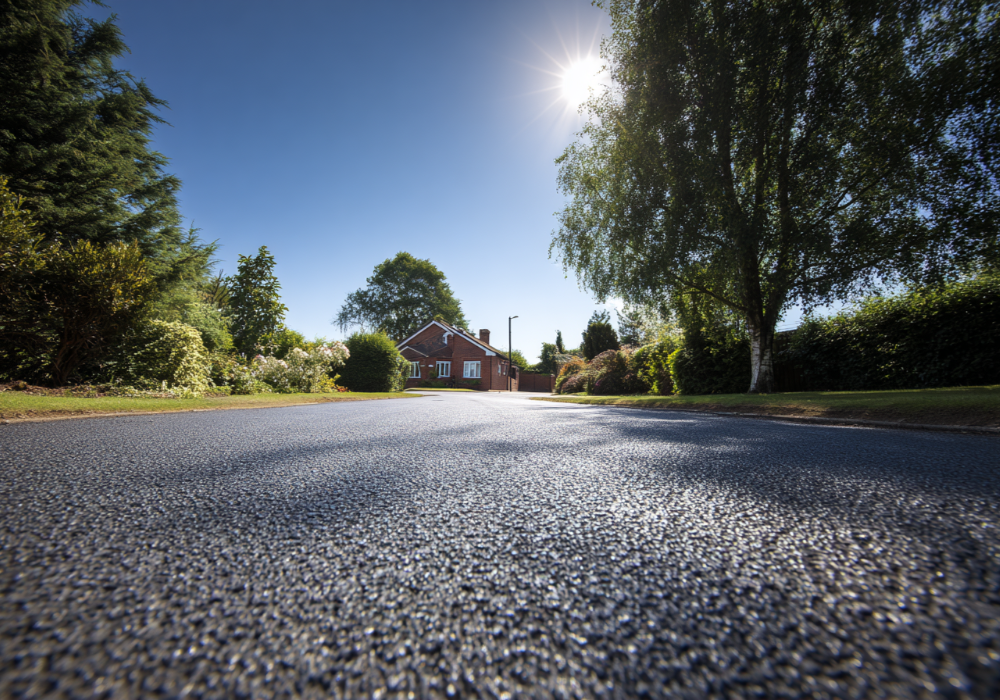
Tarmac, also known as asphalt, is created by mixing crushed stone with bitumen. This mixture is laid and compacted to form a smooth, durable surface.
Because it forms a single continuous layer, tarmac driveways typically have fewer joints and gaps.
How block paving driveways are built.
Block paving driveways are constructed using individual paving blocks laid on a prepared sub-base. The blocks are usually installed in patterns such as herringbone or basket weave.
Kiln-dried sand is brushed between the joints to lock the blocks together.
While this creates an attractive finish, it also introduces additional maintenance considerations.
Cleaning Requirements for Tarmac Driveways
One of the biggest advantages of tarmac surfaces is their relatively simple cleaning process.
Dirt and algae removal
Tarmac driveways can develop moss and algae, especially in shaded areas. However, these contaminants usually sit on the surface and can be removed with professional driveway cleaning.
Regular cleaning helps maintain both appearance and safety by reducing slippery growth.
Oil and tyre marks
Vehicles often leave tyre marks and oil stains on tarmac. These stains can usually be removed using specialist cleaning products designed for asphalt surfaces.
Professional cleaning equipment helps lift these stains without damaging the tarmac binder.
Surface washing
Because tarmac has a relatively smooth surface, cleaning tends to be faster and simpler than many other driveway materials.
A professional cleaning every few years is usually enough to maintain its appearance.
Cleaning Requirements for Block Paving Driveways
Block paving driveways can look very attractive, but they often require more frequent cleaning.
Moss and weed growth between joints
The joints between paving blocks provide small gaps where weeds and moss can grow. Over time, these plants can spread across the driveway.
Removing weeds is often a recurring maintenance task for block paving owners.
Sand loss during cleaning
When block paving is pressure-washed, some of the jointing sand is removed. This means kiln-dried sand usually needs to be replaced after cleaning.
Without this step, the blocks can begin to move.
Staining on individual blocks
Oil stains and tyre marks can affect individual blocks. Sometimes replacing the affected blocks is necessary to restore appearance.
Which Driveway Surface Develops More Weeds?
Weed growth is one of the most common driveway maintenance problems.
Why block paving attracts weeds
Although weeds do not usually grow from beneath the blocks, seeds often settle in the joints. Over time, these seeds germinate and develop into visible weeds.
Wind-blown soil and organic debris contribute to this process.
Why tarmac driveways have fewer weeds
Tarmac surfaces contain far fewer joints. As a result, there are fewer places for weeds to take hold.
Occasional weeds may appear along edges or cracks, but widespread growth is uncommon.
For homeowners who want minimal weed maintenance, tarmac is often the easier option.
Repair and Maintenance Differences
Another important factor when comparing tarmac vs block paving driveways is how repairs are handled.
Repairing tarmac driveways
Small cracks in tarmac can often be repaired using specialist fillers or surface treatments.
However, large damaged sections sometimes require resurfacing.
Repairing block paving driveways
One advantage of block paving is that individual blocks can be removed and replaced.
This makes certain repairs easier compared with continuous surfaces.
However, repairing block paving can still involve lifting large sections if the base has shifted.
Long-Term Durability of Tarmac Driveways
Tarmac is known for its durability and flexibility.
Resistance to vehicle weight
Because the surface forms one continuous layer, weight is distributed evenly across the driveway.
This makes tarmac suitable for areas with regular vehicle use.
Weather resistance
Tarmac generally performs well in changing weather conditions. It can expand and contract slightly without cracking.
However, over many years, the surface can fade due to sunlight exposure.
Maintenance requirements
Most tarmac driveways simply require occasional cleaning and the removal of moss or algae.
Periodic restoration treatments can also help extend their lifespan.
Long-Term Durability of Block Paving Driveways
Block paving can also be very durable when installed correctly.
However, its modular structure creates different maintenance needs.
Movement of paving blocks
If the base layer becomes unstable, individual blocks may begin to shift. This can create uneven areas.
Joint sand erosion
Rain and cleaning gradually remove the sand between blocks. When this happens, the driveway may require re-sanding.
Weed growth over time
As mentioned earlier, weeds can develop within the joints if regular maintenance is not carried out.
Despite these issues, well-maintained block paving driveways can still last many years.
Appearance and Kerb Appeal
Driveways play a major role in the appearance of a property.
Visual appeal of block paving
Block paving is often chosen because it offers a wide range of colours and patterns.
This allows homeowners to customise the look of their driveway.
Appearance of tarmac driveways
Tarmac offers a more uniform and traditional appearance. However, its smooth finish can still look very attractive when properly maintained.
Freshly restored tarmac can significantly improve the kerb appeal of a property.
Which Driveway Surface Is Easier to Maintain?
When comparing tarmac vs block paving driveways, maintenance requirements are often a deciding factor.
Why is tarmac usually easier to maintain?
Tarmac surfaces have fewer joints, which means fewer areas where weeds and dirt can accumulate.
Cleaning is typically faster and simpler.
Why block paving requires more upkeep
Block paving often requires additional maintenance, such as:
- weed removal
- re-sanding joints
- replacing stained or damaged blocks
- sealing treatments
While these tasks are manageable, they can increase maintenance time.
How Professional Driveway Cleaning Helps Both Surfaces
Regardless of which surface you choose, professional cleaning can help extend the life of your driveway.
Professional driveway cleaning typically includes:
- removal of moss and algae
- deep surface cleaning
- stain removal
- restoration treatments where appropriate
Specialist equipment ensures that cleaning is effective while protecting the driveway surface.
For technical information about asphalt materials and performance, organisations such as the Mineral Products Association provide detailed guidance on asphalt surfaces used in the UK.
What Should Homeowners Consider Before Choosing a Driveway?
When deciding between tarmac vs block paving driveways, maintenance requirements should always be considered alongside appearance and cost.
Tarmac driveways generally offer:
- easier cleaning
- fewer weeds
- lower routine maintenance
Block paving driveways offer:
- more design options
- easier replacement of individual sections
- decorative finishes
Ultimately, the best choice depends on your priorities.
If you prefer a driveway that requires minimal ongoing maintenance, tarmac is often the more practical option. However, if decorative appearance is the priority, block paving may be the preferred choice.
Understanding these differences helps homeowners make an informed decision and maintain their driveways effectively for many years.


