
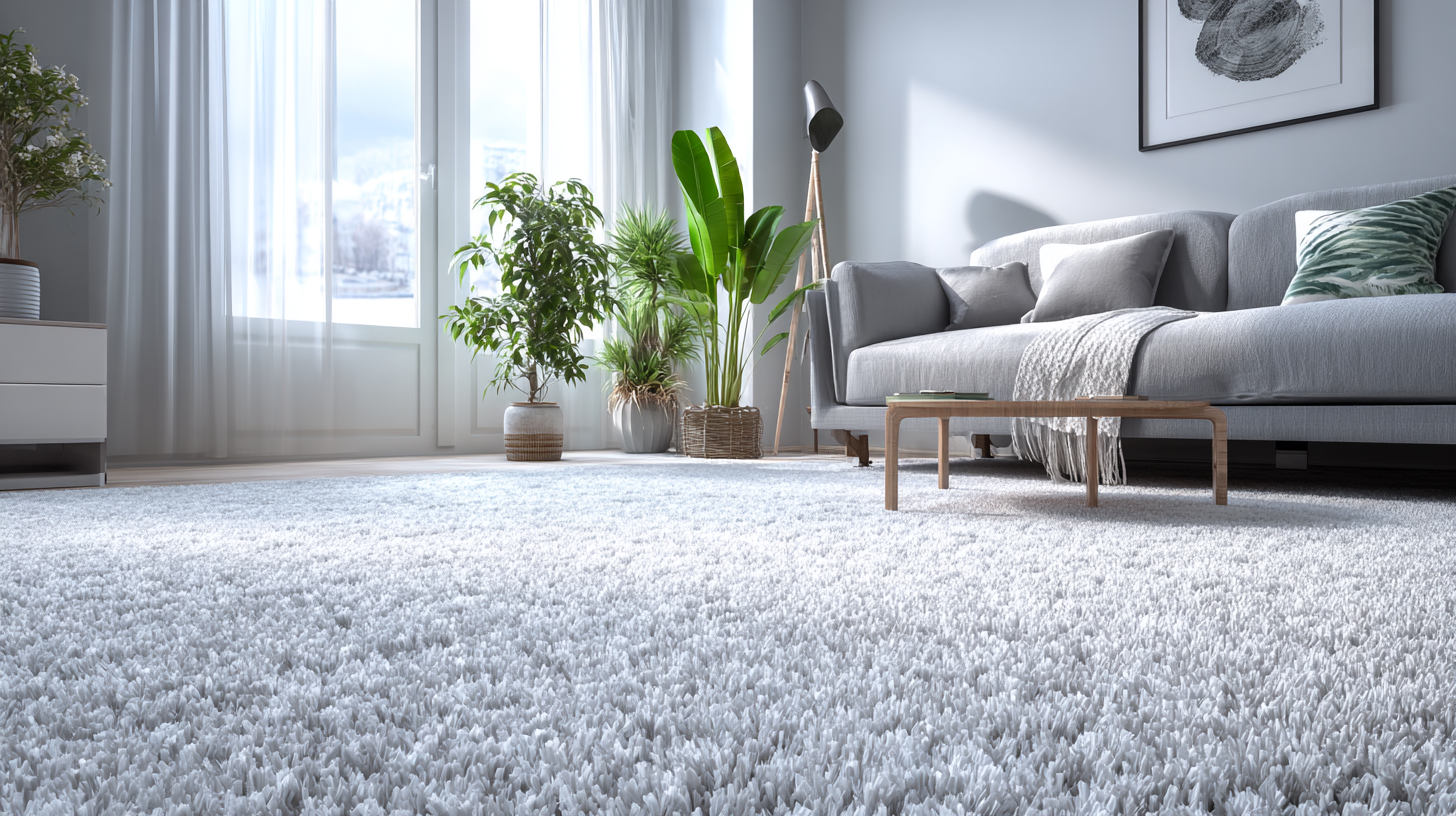
Carpets take a lot of wear over time. Whether in a home or business, foot traffic, spills, and airborne dust can leave fibres dirty, worn, and unhealthy. Professional carpet cleaning helps protect your carpets, extend their lifespan, and enhance hygiene. But how often should this be done?
In this article, we outline the key factors that determine how frequently you should clean your carpets, including lifestyle, usage, carpet type, and health considerations. We also cover the benefits of regular cleaning and the differences between professional carpet cleaning and DIY methods.
Why Carpet Cleaning Frequency Matters
Dirt Accumulates Fast
Even if your carpets look clean, they likely hold dirt, dust mites, and bacteria. These accumulate over time, especially in high-traffic areas such as hallways, lounges, and stairs. Routine vacuuming helps, but it doesn’t remove all the debris.
Poor Maintenance Reduces Lifespan
Dirt trapped in carpet fibres causes friction that wears them down. Left unchecked, this can reduce the lifespan of your carpets and lead to costly replacements sooner than expected.
Clean Carpets Support Better Health
Dirty carpets can affect respiratory health, particularly for individuals with allergies or asthma, and for those with pets. Regular cleaning reduces allergens, dust, and mould spores.
How Often Should Carpets Be Cleaned?
There is no single answer. The best cleaning schedule depends on how the space is used and who uses it. Here are the main scenarios to consider.
1. Standard Domestic Home
Recommended frequency: Every 12 months
In a typical household with light to moderate use and no pets, a professional clean once a year is usually sufficient. This keeps carpets fresh and extends their life.
2. Homes with Children
Recommended frequency: Every 6-9 months
Children tend to spill drinks, drop food, and play on the floor. More frequent cleans are needed to keep stains at bay and reduce germs.
3. Homes with Pets
Recommended frequency: Every 3-6 months
Pets shed hair, bring in dirt, and can have accidents. Their presence increases the need for deep cleaning, especially if they sleep or eat in carpeted rooms.
4. Allergy or Asthma Sufferers
Recommended frequency: Every 2-3 months
For those with respiratory issues, clean air is a must. Regular carpet cleaning helps reduce allergens and improve indoor air quality.
5. High-Traffic Areas
Recommended frequency: Every 3-6 months
Hallways, entrances, and stairs collect more dirt than other areas. If you can’t clean the whole house often, focus on these spots more regularly.
6. Commercial Premises
Recommended frequency: Monthly to quarterly
Offices, shops, and hospitality settings require more frequent cleaning. High footfall and public use demand a professional clean at least every 1-3 months.
Carpet Type and Cleaning Frequency
Not all carpets are the same. The material, pile type, and colour can all affect how often you should clean them.
Wool Carpets
Wool is natural and hard-wearing, but it tends to hold dirt. Professional cleaning every 6-12 months keeps the fibres clean without damage.
Synthetic Carpets
These are more stain-resistant and often easier to clean. A yearly deep clean is suitable for most homes.
Light-Coloured Carpets
These show dirt and stains more clearly. If your carpets are cream, beige, or pastel, they may require more frequent cleaning.
Plush or High-Pile Carpets
Thicker carpets trap more dirt. Regular vacuuming is vital, but professional cleaning every 6-9 months keeps them hygienic.
Why Professional Carpet Cleaning Works Best
Deep Cleaning Technology
Professional cleaners use steam cleaning (hot water extraction), which removes dirt buried deep in the fibres. This is far more effective than any rented machine or home solution.
Safe for the Carpet
Experts know which products are best suited for your carpet. DIY methods can damage fibres, leave behind soap, or shrink the backing.
Time and Effort Saved
Cleaning carpets properly requires time, the right tools, and expertise. A professional service delivers results quickly and lasts.
What Happens During a Professional Carpet Clean?
- Inspection: The cleaner examines the material and condition of your carpet.
- Pre-treatment: Stains and heavy-use areas are treated first.
- Deep clean: The machine injects hot water and detergent, then extracts the dirt.
- Drying: Most systems remove 95% of water, so carpets dry within hours.
- Final check: The technician confirms the result and provides drying time guidance.
What About DIY Carpet Cleaning?
Many homeowners try DIY carpet cleaners or hire machines from supermarkets. These may help with light maintenance, but they don’t compare with professional cleaning.
Common Problems with DIY Cleaning
- Soapy residue left behind attracts more dirt over time.
- Too much water can lead to damp or mould.
- Incorrect technique can damage fibres and shorten lifespan.
- Weak suction fails to remove all dirt or moisture.
Professional equipment costs thousands and uses more potent suction, heat, and detergent systems than anything you can buy or rent.
Seasonal Carpet Cleaning Tips
Spring Cleaning
This is a popular time to refresh the home. A full clean after winter removes salt, mud, and moisture tracked in from outside.
Before or After Christmas
The lead-up to Christmas often brings guests and parties. A fresh carpet improves your home’s appearance. Cleaning up after spills and stains helps address them.
After Renovations
If you’ve had building work or redecorating done, carpet cleaning removes dust and paint flecks.
Cleaning Frequency Checklist
| Situation | Recommended Frequency |
|---|---|
| Standard household | Every 12 months |
| With children | Every 6-9 months |
| With pets | Every 3-6 months |
| Allergy sufferers | Every 2-3 months |
| High-traffic areas | Every 3-6 months |
| Commercial property | Monthly to quarterly |
Signs Your Carpet Needs Cleaning
Even if you’re unsure how long it’s been, your carpet will show signs when it’s due for a professional cleaning.
1. Visible Stains and Spots
Marks that won’t come out with vacuuming or spot cleaning are signs of deep dirt.
2. Unpleasant Odours
Odours from pets, food, or damp conditions may indicate that the underlay is compromised.
3. Dull Appearance
If your carpet looks flat or faded, dirt may be hiding its original colour and texture.
4. Increased Allergies
More sneezing or breathing issues at home could be linked to dust and allergens in the carpet.
How to Keep Carpets Cleaner Between Professional Visits
- Vacuum at least twice a week, more in busy areas.
- Remove shoes before walking on carpeted floors.
- Clean up spills immediately.
- Use doormats to reduce dirt from outdoors.
- Trim pet nails to reduce carpet snagging.
- Rotate furniture to prevent wear patterns.
How Often Should You Have Your Carpets Professionally Cleaned?
So, how often should you have your carpets professionally cleaned? The answer depends on how you live, what you do, and who lives in your home or uses your business space. In most cases, a check-up every 6-12 months is sufficient, but this interval may be shorter for pets, children, individuals with allergies, or those with high usage.
Professional carpet cleaning helps maintain your home, health, and investment. A clean carpet looks better, lasts longer, and keeps your indoor air safe.
If your carpets haven’t been cleaned in the last year—or if you’ve spotted stains, odours, or dust, now is the time to book a visit.


