
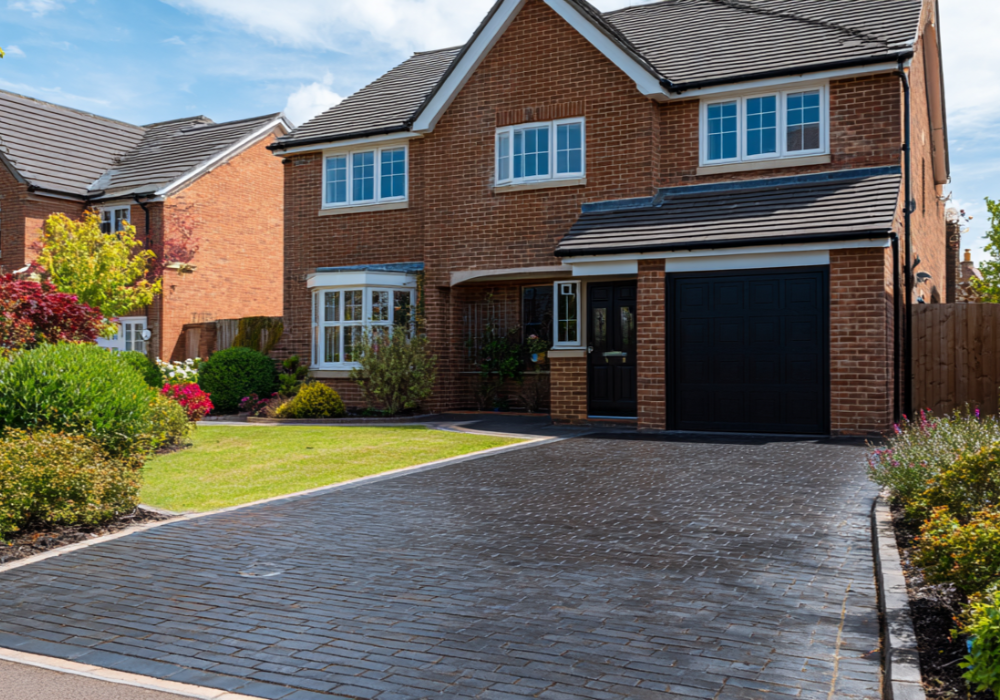
How Long Does Block Paving Sealing Last? It’s one of the most important questions homeowners ask before committing to driveway cleaning and sealing. After all, sealing is an investment. Naturally, you want to know how long the protection will remain effective and whether it truly delivers long-term value.
In Worcester and across Worcestershire, block-paved driveways face constant exposure to rain, frost, UV rays, vehicle traffic, and organic growth. Therefore, the lifespan of block paving sealing depends on several key factors. While some driveways hold their finish for years, others may need attention sooner.
In this guide, we will explain realistic timeframes, what influences durability, when resealing is needed, and how to extend the life of your driveway protection.
What Is the Average Block Paving Sealing Lifespan?
The average lifespan of block paving sealing is typically between three and five years. However, this is not a fixed guarantee. Instead, it is a realistic expectation when:
- The surface is properly cleaned beforehand
- Fresh kiln-dried sand is correctly installed
- High-quality professional-grade sealant is used
- The application is completed in suitable weather conditions
When these conditions are met, driveway sealing can be highly durable. Nevertheless, environmental and usage factors always play a role.
Why Does Block Paving Sealing Wear Over Time?
Sealing is protective, but it is not permanent. Over time, natural wear reduces its effectiveness.
Vehicle Traffic and Tyre Friction
Driveways with frequent vehicle movement experience faster surface abrasion. Turning wheels and repeated parking in the same spot gradually wear down the sealant layer.
Weather Exposure in Worcestershire
Worcester and the surrounding areas experience persistent rainfall, seasonal frost cycles and summer UV exposure. Freeze-thaw conditions expand microscopic gaps in the surface. Meanwhile, UV rays slowly degrade certain sealant compounds.
Organic Growth Pressure
Algae, moss and lichen thrive in damp conditions. Although sealing slows regrowth, shaded or north-facing driveways may experience more rapid surface wear.
Therefore, while three to five years is common, actual performance varies.
How Long Does Block Paving Sealing Last in High-Traffic Areas?
High-traffic driveways may require resealing closer to the three-year mark. In contrast, lightly used driveways with good drainage can approach five years or longer.
For example:
- A single-car driveway with limited daily use may maintain protection longer.
- A multi-vehicle household with frequent turning movements may see wear sooner.
Understanding how your driveway is used helps set realistic expectations.
Does the Type of Sealant Affect Durability?
Yes, significantly.
There are generally two main types of block paving sealers:
- Water-based sealers
- Solvent-based sealers
Solvent-based products often provide deeper penetration and longer durability. However, they require precise application and appropriate drying conditions. Water-based sealers have a lower odour and are more environmentally friendly, yet may require slightly more frequent reapplication.
Professional advice ensures the correct product is chosen for your driveway’s condition and usage.
How Can You Tell When Block Paving Sealing Is Wearing Off?
Recognising early signs of wear allows you to reseal before damage occurs.
Colour Fading
One of the first indicators is colour dulling. A sealed driveway often appears richer in tone. When that vibrancy fades noticeably, protection may be weakening.
Increased Water Absorption
After rainfall, observe how the surface reacts. If water quickly soaks into the blocks rather than lightly beading, sealing effectiveness may have reduced.
Sand Loss Between Joints
When jointing sand begins to wash out more frequently, it can indicate that the sealant’s binding effect has deteriorated.
Faster Weed Regrowth
Although sealing does not permanently eliminate weeds, sudden increases in regrowth can signal reduced protection.
How Often Should You Reseal Block Paving?
Most homeowners benefit from resealing every three to five years. However, proactive maintenance is more important than strict scheduling.
Instead of waiting for visible deterioration, regular inspections help determine optimal timing. Preventative resealing often costs less than corrective restoration.
Does Professional Application Make a Difference?
Absolutely.
The longevity of block paving sealing depends heavily on preparation. If the driveway is not thoroughly cleaned and fully dry before sealing, adhesion may fail prematurely.
Professional driveway sealing includes:
- Deep pressure cleaning
- Weed treatment
- Full drying time
- Correct re-sanding
- Even controlled sealant application
Skipping or rushing any of these stages dramatically shortens lifespan.
Can Poor Installation Reduce Sealing Durability?
Yes.
If the original block paving installation was poorly completed, issues such as unstable sub-base layers or incorrect drainage can affect sealing performance. Movement beneath the surface weakens joint stability and increases wear.
In such cases, minor repairs may be recommended before sealing to ensure long-term success.
Does Sealing Last Longer on New or Older Driveways?
It depends.
Newer driveways typically have stronger structural integrity. However, newly laid block paving should not be sealed immediately. Waiting three to six months allows efflorescence to dissipate naturally.
Older driveways, once properly restored and stabilised, can also achieve excellent sealing longevity. In many cases, professional restoration followed by sealing revitalises surfaces that appear close to replacement.
How Long Does Block Paving Sealing Last Compared to Replacing a Driveway?
Replacement is significantly more expensive than resealing. A well-maintained sealed driveway can last decades structurally, with periodic resealing protecting its appearance and integrity.
When comparing costs:
- Resealing every few years is far more economical.
- Replacement involves excavation, disposal and full material installation.
Therefore, sealing forms part of a sensible long-term maintenance strategy.
Can You Extend the Life of Block Paving Sealing?
Yes. Simple maintenance practices improve the durability of driveway sealing.
Keep the Surface Clean
Regular sweeping prevents debris accumulation that retains moisture.
Address Spills Quickly
Oil and fuel stains are easier to manage when treated early.
Avoid Harsh Chemical Cleaners
Certain chemicals can prematurely degrade sealant layers.
Schedule Periodic Professional Inspections
Early detection of sand loss or surface wear allows timely intervention.
Consistent care extends the lifespan of block paving sealant beyond average expectations.
Does Sealing Protect Against Frost Damage?
Sealing reduces water penetration. Consequently, it limits freeze-thaw expansion inside the blocks. While it cannot eliminate frost, it significantly reduces risk.
In climates like Worcestershire, where winter temperatures fluctuate, this added protection is particularly valuable.
Is It Worth Resealing Before Selling Your Home?
In many cases, yes.
Kerb appeal influences first impressions. A faded or weed-covered driveway may suggest neglect, even if the property interior is well-maintained.
Resealing shortly before listing a property can:
- Restore colour vibrancy
- Reduce visible staining
- Improve overall presentation
For homeowners preparing to sell, this can provide measurable value.
Does Block Paving Sealing Last Longer with a Gloss Finish?
Finish choice does not necessarily determine durability. Gloss, satin or natural finishes depend more on product formulation than lifespan. However, higher-solids-content sealers may provide stronger binding properties.
Professional guidance ensures aesthetic preferences align with practical performance.
What Reduces Driveway Sealing Durability the Most?
Several factors shorten lifespan:
- Applying sealant to a damp surface
- Sealing during poor weather conditions
- Using low-quality DIY products
- Heavy mechanical abrasion
- Inadequate joint re-sanding
Avoiding these pitfalls significantly improves longevity.
How Long Does Block Paving Sealing Last in Worcester and Worcestershire?
Local conditions matter.
Driveways in shaded rural areas may experience higher moss growth. Urban driveways exposed to full sunlight may experience more UV degradation. Therefore, assessing location-specific exposure is essential.
Across Worcester and Worcestershire, three to five years remains a realistic expectation when applied professionally.
Is Block Paving Sealing a Guarantee Against Maintenance?
No.
Sealing reduces maintenance requirements but does not eliminate them. Driveways still benefit from occasional cleaning and inspection. However, maintenance becomes simpler and less frequent.
Is Resealing Cheaper Than Deep Restoration?
Yes.
Allowing sealing to deteriorate completely can lead to sand washout, block movement and deeper contamination. Addressing these issues later increases cost.
Proactive resealing preserves structural stability and reduces restoration intensity.
So, How Long Does Block Paving Sealing Last?
How Long Does Block Paving Sealing Last? For most homeowners, between three and five years. However, correct preparation, professional application and sensible maintenance can extend that timeframe.
Rather than viewing sealing as a one-time solution, consider it part of a long-term driveway care plan. When maintained properly, it protects against weather damage, reduces weed regrowth and enhances kerb appeal for years.
If you are unsure whether your driveway requires resealing, a professional assessment from Top2Bottom Cleaning in Worcester can provide clarity. Honest advice ensures you reseal at the right time — not too early and not too late.
Sealing is not about temporary shine. It is about durable protection and smarter maintenance over time.


