
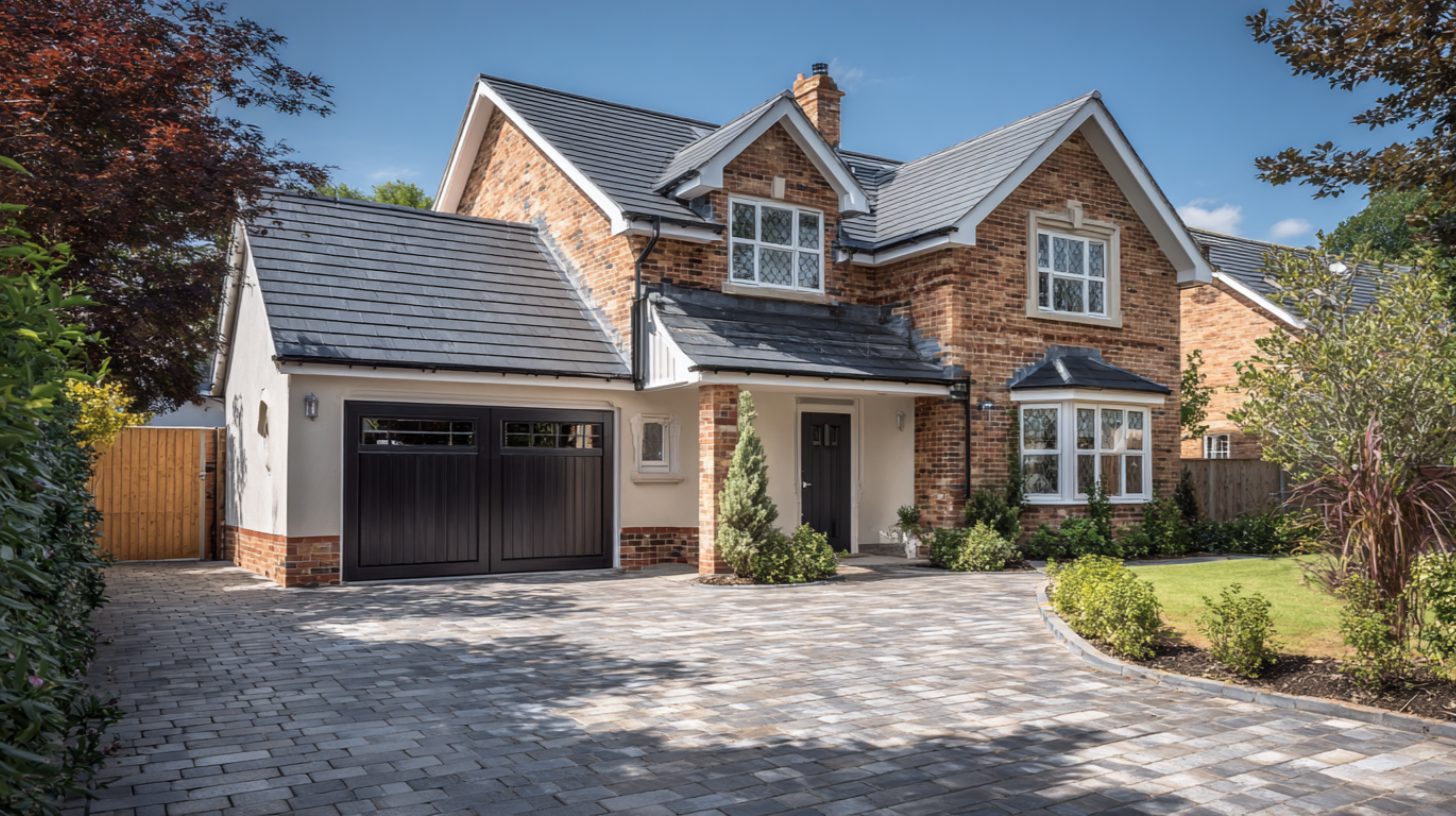
When comparing soft washing vs pressure washing, many property owners in Worcester and Worcestershire assume the difference is simply about water pressure. In reality, these two exterior cleaning methods operate on completely different principles. Choosing the wrong approach can damage surfaces, shorten material lifespan and cause rapid regrowth of algae and moss. Choosing the correct system protects your driveway, patio, render or roof while delivering longer-lasting results.
Professional exterior cleaning is not about blasting surfaces with the highest PSI available. It is about understanding surface composition, contamination type, environmental exposure and long-term maintenance goals. This guide explains the science, applications and decision-making process behind soft washing and pressure washing so you can understand which method is right for your property.
Soft Washing vs Pressure Washing: Understanding the Core Differences
The fundamental difference between soft washing and pressure washing lies in the use of mechanical force versus chemical treatment.
Pressure washing relies primarily on high-pressure water to physically remove contamination from a surface. Soft washing relies on low-pressure water combined with specialist cleaning solutions that break down and neutralise organic growth at a biological level.
Understanding this distinction is critical.
Mechanical Cleaning Versus Biological Treatment
Pressure washing is mechanical. It uses force to dislodge and remove visible contamination, such as:
- Surface grime
- Traffic film
- Mud and debris
- Moss buildup
- Loose algae
Soft washing is chemical-based. It targets the root cause of organic staining by:
- Killing algae spores
- Breaking down lichen
- Neutralising moss regrowth
- Penetrating porous surfaces
In many cases, professional exterior cleaning combines both methods for optimal results.
Pressure Levels Explained
Professional pressure washing systems typically operate between 1500 and 4000 PSI, depending on surface tolerance. However, PSI alone does not determine cleaning effectiveness. Flow rate, measured in gallons per minute, plays an equally important role.
Soft washing systems operate below 300 PSI. The effectiveness comes from chemical dwell time rather than force.
Incorrect PSI selection is one of the most common causes of surface damage in DIY cleaning.
How Pressure Washing Works at the Surface Level
To understand soft washing vs pressure washing properly, it helps to examine how high-pressure water interacts with different materials.
When water is forced through a narrow nozzle at high speed, it creates a concentrated stream capable of breaking the bond between contamination and surface material. This mechanical action lifts dirt and organic growth from the top layer of the substrate.
Surface Penetration and Porosity
Hard surfaces such as concrete and block paving are porous. Contamination embeds within microscopic cavities. High-pressure water penetrates these pores, flushing out debris.
However, excessive pressure can:
- Etch concrete
- Remove jointing sand
- Damage mortar
- Force water beneath the paving
Professional equipment uses rotary surface cleaners to evenly distribute pressure, reducing the risk of striping and surface erosion.
How Soft Washing Breaks Down Organic Growth
Soft washing operates differently. Rather than relying on force, it uses specialist treatments to break down organic matter at a cellular level.
Algae and moss grow by anchoring themselves to porous materials. Simply removing the visible growth does not eliminate the root system. This is why algae frequently returns after basic pressure washing.
Soft washing solutions:
- Penetrate porous substrates
- Destroy organic spores
- Prevent rapid regrowth
- Provide longer-lasting cleanliness
This makes soft washing particularly effective for render, roofing materials and painted surfaces.
When Pressure Washing Is the Correct Choice
Pressure washing is most appropriate for hard, durable materials that can withstand controlled high pressure.
Driveway Cleaning in Worcester
Driveways across Worcester accumulate traffic film, tyre residue, oil staining and moss. Professional pressure washing restores the original colour and removes embedded grime.
Concrete and block paving respond well to high pressure when applied correctly. After cleaning, re-sanding joints stabilises the surface and prevents movement.
Patio Cleaning on Hard Stone
Natural stone patios, such as sandstone or limestone, require controlled pressure. Professional assessment ensures the PSI does not damage the surface while effectively removing organic growth.
Commercial Hardstanding Areas
Car parks and forecourts experience heavy traffic and environmental exposure. Industrial pressure washing equipment provides the mechanical power required for effective restoration.
When Soft Washing Is the Safer Option
Some materials require a treatment-based approach.
Render Cleaning
Modern rendered homes in Worcestershire are prone to green algae staining. High pressure can damage render finishes, leaving visible marks or surface erosion. Soft washing safely removes stains without compromising the surface.
Roof Cleaning
Roof tiles often have protective coatings. High pressure can strip these coatings and dislodge tiles. Soft washing eliminates moss growth while protecting structural integrity.
Timber and Painted Surfaces
Timber decking and painted exteriors can splinter or peel under high pressure. Low-pressure soft washing preserves the material while removing contamination.
Environmental Factors in Worcestershire
Climate plays a significant role in exterior surface contamination.
Worcestershire properties experience:
- High rainfall levels
- Shaded gardens with tree coverage
- Damp winter conditions
- Freeze-thaw cycles
These environmental factors accelerate the growth of moss and algae. North-facing surfaces are particularly vulnerable due to limited sunlight exposure.
Understanding local conditions helps determine whether soft washing or pressure washing will deliver the most durable results.
Common Mistakes with DIY Pressure Washing
Many homeowners attempt DIY cleaning using domestic machines. While these units appear straightforward, incorrect use frequently causes long-term damage.
Excessive Pressure
Domestic machines often lack fine PSI control. Excessive pressure can etch concrete permanently.
Incorrect Nozzle Selection
Narrow-angle nozzles concentrate force, increasing the risk of damage.
Removing Joint Sand
Block paving relies on jointing sand for stability. Pressure washing without re-sanding leads to movement and weed growth.
Skipping Biocidal Treatment
Pressure washing alone removes visible algae but does not eliminate spores. Regrowth often appears within months.
Professional systems avoid these mistakes through controlled equipment and surface assessment.
Which Method Provides Longer Lasting Results
The longevity of results depends on the type of contamination and the surface material.
Pressure washing delivers an immediate visual transformation on hard surfaces with embedded grime.
Soft washing delivers longer-term organic growth control by treating contamination at the source.
In many cases, the most effective approach combines both techniques. For example:
- Controlled pressure washing to remove surface buildup
- Soft wash treatment to neutralise spores
- Optional sealing for added protection
This layered approach maximises durability.
Cost Considerations and Long-Term Value
While some homeowners focus solely on immediate cost, the right cleaning method protects the long-term investment.
Improper pressure washing can lead to:
- Surface replacement
- Structural repairs
- Reduced kerb appeal
- Lower property value
Professional assessment ensures cost-effective, preventative maintenance.
Making the Right Choice for Long-Term Surface Protection
Understanding the differences between soft washing and pressure washing ensures your property receives the appropriate treatment based on surface type, contamination level, and environmental exposure. Professional exterior cleaning is a technical process that requires experience, appropriate equipment, and knowledge of material tolerances.
Selecting the right cleaning method protects your investment, improves kerb appeal and delivers longer-lasting results across Worcester and Worcestershire.


